Destination
Bern
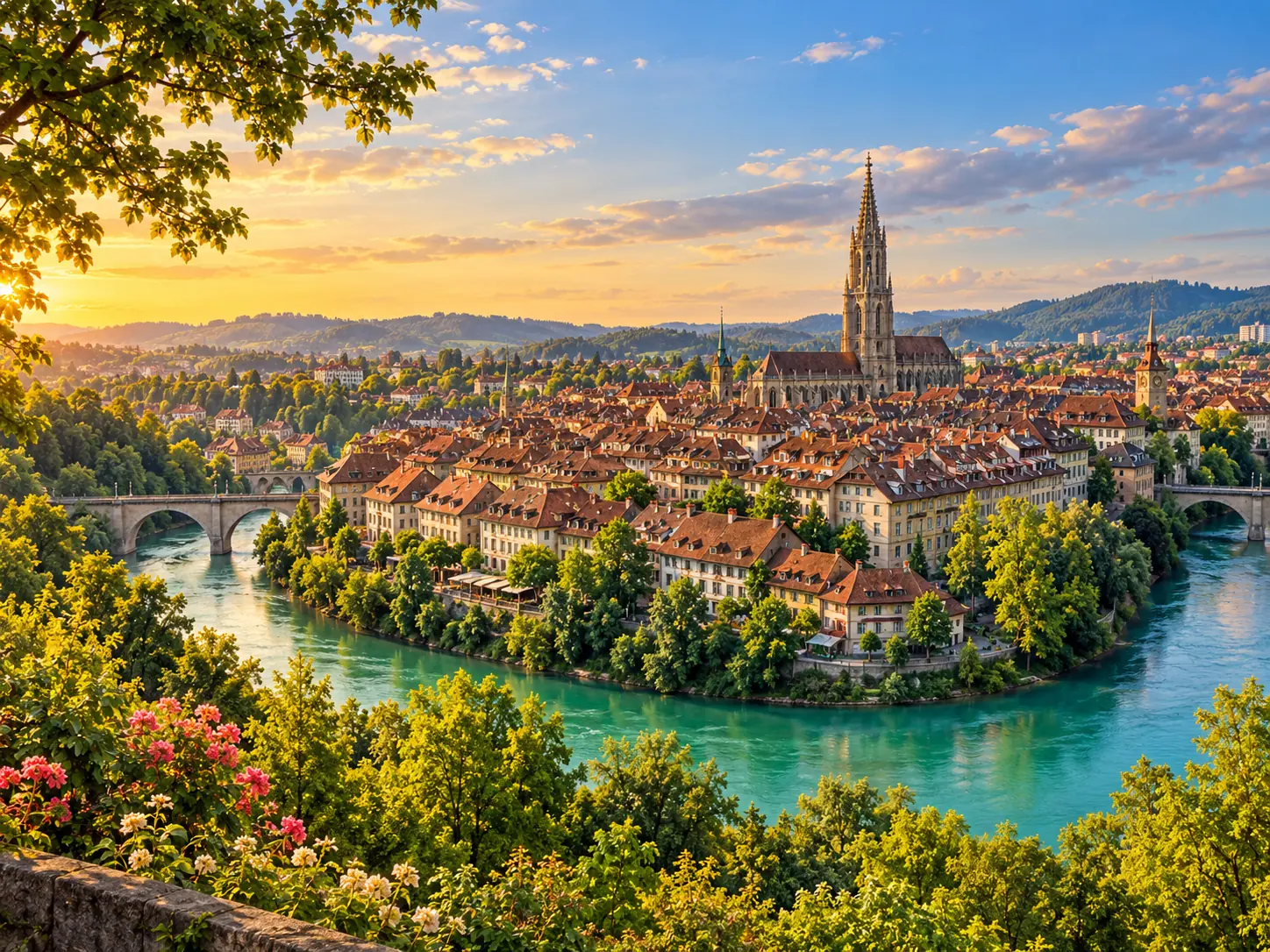
Bern rewards a sequence of smaller walks: beneath the old town's arcades, onto the cathedral terrace and beside the Aare. The historic centre is a UNESCO World Heritage Site, but the visit need not revolve entirely around monuments. Leave room for a bookshop, lunch and a second look at a favourite street. We suggest two full days for a first visit. Give the first to the old town and viewpoints across the river, and the second to one substantial museum. Art enthusiasts can add another collection on a third day.
When to go
For walking, we would choose late spring or early autumn and check the forecast shortly before travelling. In summer, build longer breaks between outings; in winter, keep outdoor sightseeing within daylight. Neither the season nor an open viewpoint guarantees a clear view of distant mountains.
If a particular exhibition is the reason for coming, check its dates before choosing a weekend. Mondays need attention: the Bernisches Historisches Museum and Zentrum Paul Klee are normally closed. On a short trip, rearranging the museum day is more useful than replacing it with a string of unrelated stops.
Things to see and do
Begin at the Zytglogge and continue along Kramgasse. Arrive a little before the hour for the clock's figures, or choose a guided visit to see the mechanism inside. Then turn towards the cathedral and the Münsterplattform, overlooking the river and Matte neighbourhood. This makes a useful pause before the next section of the walk.
After lunch, continue to the BearPark and climb towards the Rose Garden. Outdoor viewing at the BearPark is free, but the animals have places to retreat, so do not build your timetable around a guaranteed sighting. At the Rose Garden, our route focuses on the old-town panorama rather than expecting roses in bloom every month.
For day two, choose the Historical Museum with its Einstein Museum or Zentrum Paul Klee. The Einstein exhibition needs the appropriate ticket category. Do not confuse it with the separate Einstein House at Kramgasse 49. If both art and history interest you, save the second large museum for day three and keep an evening free.
Practical tips
Climbing the cathedral tower involves stairs; there is no passenger lift. If mobility matters, check the appropriate visit beforehand and consider the terrace separately from the tower. Allow for the slope towards the Rose Garden, wear shoes with grip after rain and take the descent slowly.
Arcades help structure a walk with short breaks, but entrances and crossings still need checking. The Einstein House has a historic staircase and a winter closure period. Before buying several museum tickets, compare their dates, access arrangements and addresses. A riverside walk does not require adding an activity on the water.
Getting there and getting around
Bern's main station is central, and many city routes can begin there on foot. Compare arrivals through Zurich, Basel or Geneva by the complete journey to your accommodation, including connections and a late arrival. Select the exact station in the journey planner and check changes for your travel date.
Bus 12 runs to the terminus at Zentrum Paul Klee. Overnight guests within Bern municipality receive the Bern-Ticket for public transport in zones 100/101. Ask your accommodation how to obtain it and check its boundaries: this local guest ticket does not cover every journey you might take elsewhere in Switzerland.
Where to stay
For two days without a car, we would compare accommodation near the station and in the old town. The station suits an early departure; the old town works well for returning between walks. Judge the actual luggage route, since stairs and changes in level can alter how convenient an address feels.
For somewhere farther out, check evening connections and the stop for the correct direction. Ask about a lift, room orientation and late check-in. Drivers should establish the actual garage location and unloading arrangements beforehand. On a short visit, straightforward daily journeys would matter more to us than a larger room.
What to try
Try a Berner Platte for a regional meal: a selection of meats and sausages with accompaniments such as sauerkraut and beans. Rösti offers another starting point; ask which extras come with the potato dish. Choose according to appetite and allow time for an unhurried lunch.
We would devote one lunch to regional cooking and choose the next according to appetite and the seasonal menu. Ask about portion size and whether a dish can be shared. Discuss dietary restrictions directly with staff, including preparation as well as ingredients: a short menu name does not explain the whole recipe.
Similar destinations

Switzerland
Geneva
In Geneva, alternate between three perspectives: the old town on its hill, the lakefront and individual neighbourhoods …
View details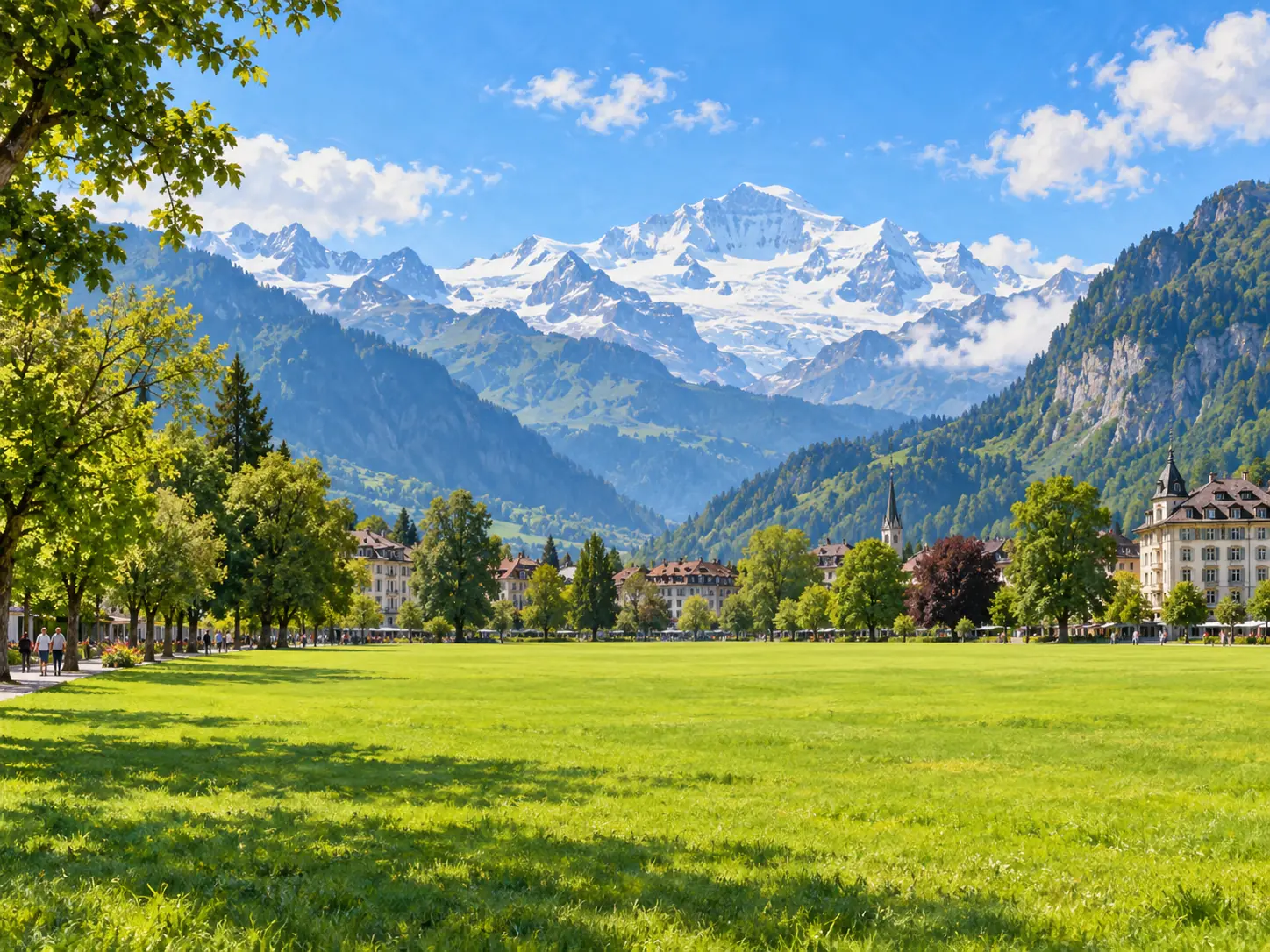
Switzerland
Interlaken
Interlaken works as a base for combining a town walk, a lake and a separate mountain day. Leave room to rearrange days …
View details
Switzerland
Lucerne
Lucerne works both as a short city break and as a base for one chosen lake or mountain excursion. Keep at least a day f…
View details
Switzerland
Zurich
Build a Zurich visit around the contrast between historical streets beside the Limmat and the former industrial spaces …
View details