Destination
Trier
Trier makes different periods tangible through Roman gateways, an immense palace hall and archaeological finds. We suggest two days for a first visit: one for the central streets and working churches, another for the museum and a chosen ancient monument. This leaves room to look closely rather than collect names on a map. The trip can also introduce the Moselle's food and wine. We would keep an evening free for a local meal and an unstructured walk instead of adding another compulsory tour.
When to go
For a visit built around long walks, we would choose late spring or early autumn. In summer, put exposed ruins early in the day and save a museum for the hours when you would prefer to be indoors. This is a suggestion for pacing, not a promise about the weather.
During the colder months, compare each monument's visiting hours. With only one full day, choose a main interior in advance and avoid making the entire plan depend on the last possible admission.
Things to see and do
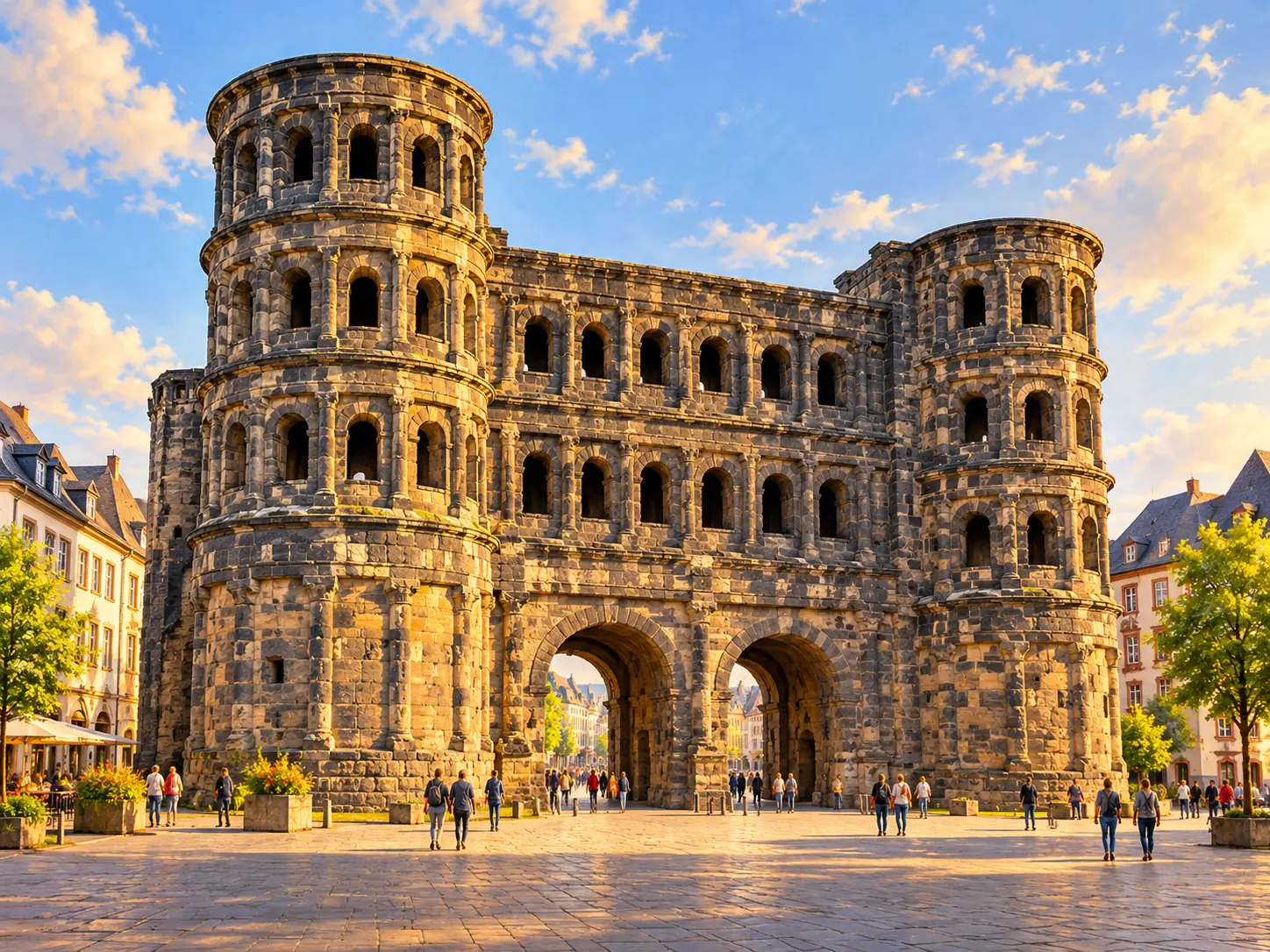
Begin the first day at the Porta Nigra. Look at the Roman gateway from several sides before deciding on a visit inside. Continue through the Hauptmarkt to St Peter's Cathedral, leaving time for a pause and entering during the permitted sightseeing hours.
After lunch, visit the Basilica of Constantine. The church occupies a former Roman palace hall: first take in the scale of the space, then explore its history. One substantial church or museum visit is enough as this day's main focus.
Spend the second morning at the Rheinisches Landesmuseum. Choose a few themes, such as mosaics, funerary monuments and Roman gold coins. After a break, visit either the Imperial Baths with their underground passages or the amphitheatre set into the Petrisberg hillside. We suggest choosing one; add the other only if you still have sufficient time and energy.
Practical tips
Before visiting the Porta Nigra, check its restoration notices and information about accessible areas. Sightseeing is not permitted in the cathedral during services, so use the service schedule to rearrange your stops. The basilica is also a working church and its sightseeing hours do not mean unrestricted access at any time.
Compare combined tickets against the places you actually intend to visit. Wear suitable shoes for underground passages and uneven surfaces. If you need a step-free visit, confirm the particular route directly with each attraction.
Getting there and getting around
For arrival by rail, search for Trier Hbf. Plan the onward journey to your accommodation separately: the train journey and your first walk through the historic centre need different margins. We would not book a timed attraction immediately after the train's expected arrival.
The VRT journey planner covers local buses and trains, including stops and walking sections to an address. Check the return journey for your actual date and time as well. If driving, arrange parking with your accommodation before arrival.
Where to stay
For a first visit, we would look within walking distance of the Hauptmarkt or between the centre and the station. The former suits a second evening stroll; the latter is worth comparing if you arrive late or continue by train early the next morning.
Check the individual building rather than relying on the word “central”. Ask about stairs, lifts, late arrival and luggage storage. With several visits planned, the option of a short afternoon rest may be more useful than a particularly impressive view.
What to try
Regional options include Moselle riesling and Viez, a tart local apple wine. Menus also feature Flieten and dishes made with Moselle fish; ask the establishment about ingredients and preparation.
We would introduce one regional drink or a small dish alongside an ordinary evening meal. A tasting fits best after the day's walking, when you no longer need to drive. Ask separately about alcohol-free alternatives.
Similar destinations
Germany
Bamberg
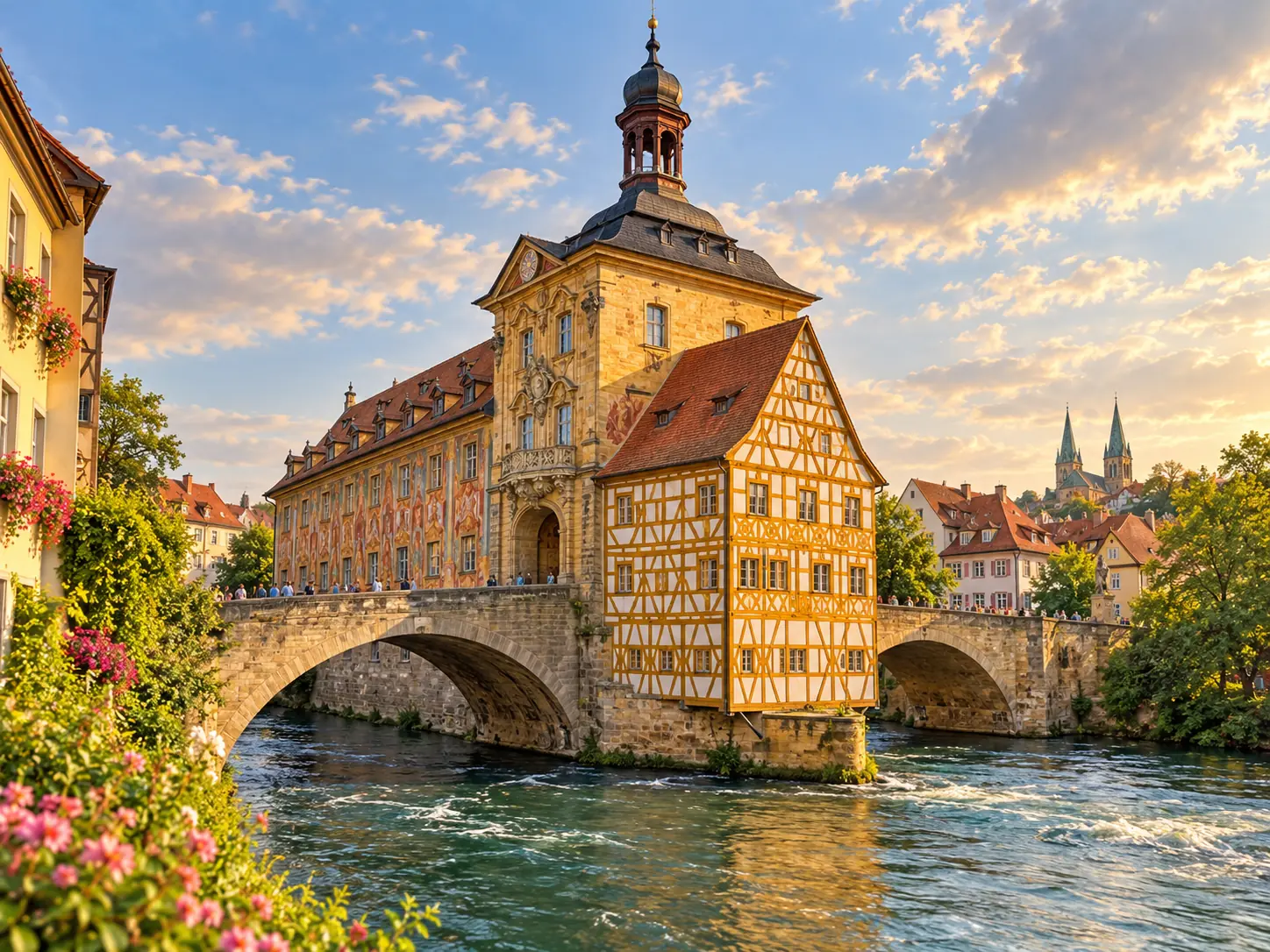
Bamberg brings together three distinct parts of a historic city: the island district beside the Regnitz, the cathedral …
View details
Germany
Berlin
Berlin brings together German history, museums, residential neighbourhoods and walks beside the river. For a first visi…
View details
Germany
Hamburg
Plan Hamburg around its water: give the warehouses and harbour their own day, then make separate time for the Alster, a…
View details
Germany
Dresden
Dresden brings together several sides of the city on the Elbe: Old Town architecture, museum collections and everyday l…
View details