Destination
Dijon
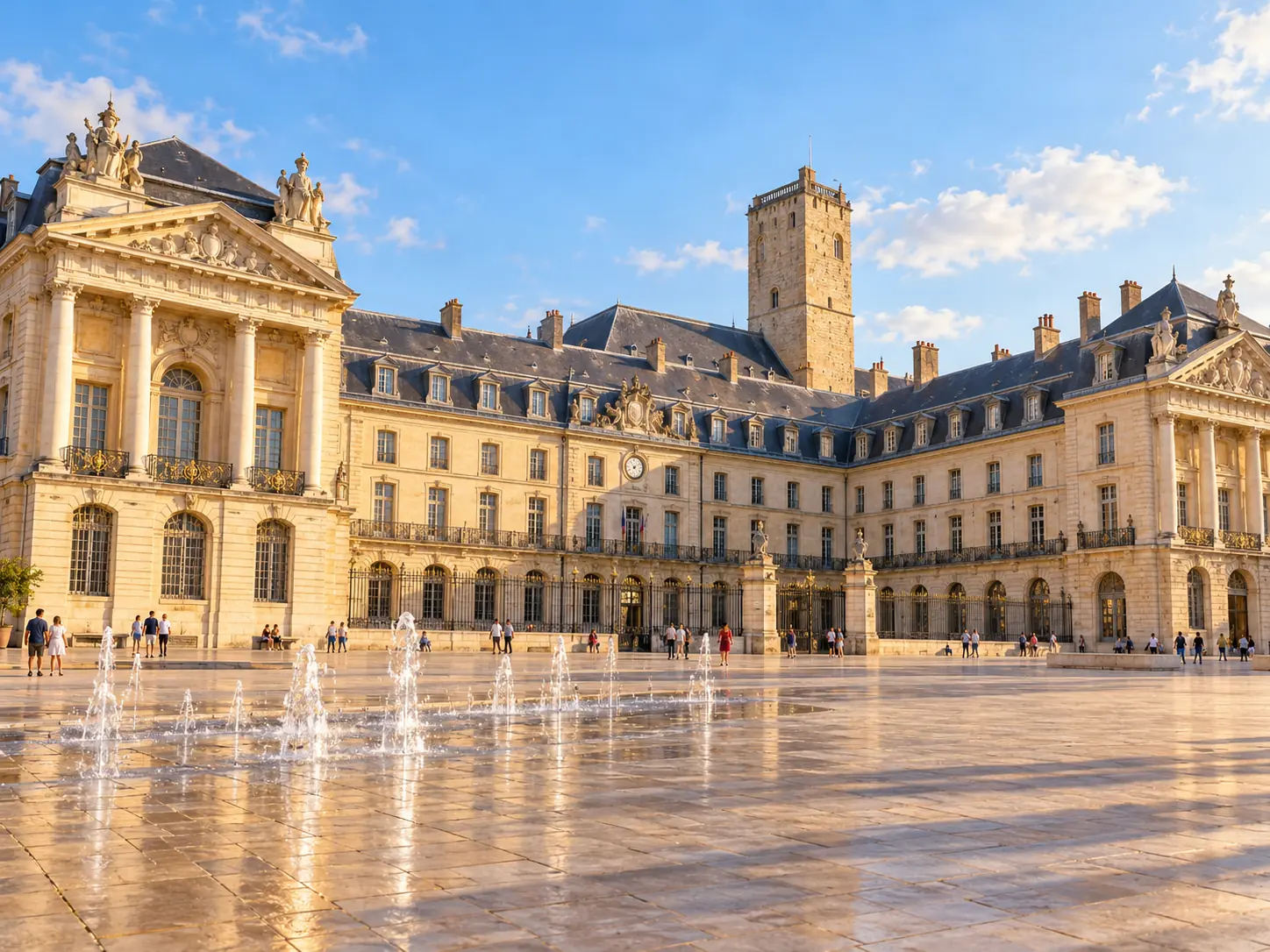
Dijon suits two days in which architecture and food receive equal attention. The Palace of the Dukes of Burgundy connects political history with an art collection, while the old centre leads towards the market and small culinary stops. Building each day around one substantial visit keeps the pace comfortable. Begin with a city walk, then choose a theme that interests you: sculpture, the organisation of the old town or French dining traditions. This makes Dijon a trip in its own right rather than a brief stop before the vineyards. We would add a separate day for an excursion beyond the city.
When to go
For walking, we favour spring or early autumn. On a hot day, alternate streets with interiors and decide when to pause for lunch. In winter, the museum and gastronomy exhibitions can anchor a visit, with shorter walks between squares.
Opening days matter more than a generic list of attractions. The Musée des Beaux-Arts normally closes on Tuesdays; check holiday exceptions separately. If a functioning market is important, confirm its trading day before arranging the itinerary. Admiring an empty historic hall and shopping for food are different experiences.
Things to see and do
On the first morning, obtain the Owl Trail map and choose its central section. Bronze markers help connect the historic streets; at Notre-Dame, look for the famous little owl. Continue towards Place de la Libération and the ducal palace.
After lunch, allow time for the Musée des Beaux-Arts, whose major works include the tombs of the Dukes of Burgundy. Treat the Philip the Good Tower as a separate visit: climbing requires time and energy, and booking availability needs checking for your date.
Begin day two at Les Halles if the market is operating, then visit the Cité internationale de la gastronomie et du vin. Choose an exhibition or activity that interests you; a tasting and exhibition admission may have different conditions. With three days, keep the last for a slower return to favourite streets or a vineyard outing arranged in advance.
Practical tips
Do not attempt to move at the same speed through every Owl Trail stop. Mark two places where you want to go inside and let the others connect a relaxed walk. A café break between the palace and market is often more valuable than another compulsory stop.
The Philip the Good Tower involves a long staircase. Check access, the current calendar and luggage rules before buying a ticket. The museum, tower and gastronomy centre have their own visiting arrangements; do not assume that admission to one covers the others.
Getting there and getting around
For rail travel, search for Dijon-Ville. The tourist office lists TGV links; select the actual train and any connections through SNCF. Compare the entire journey to your accommodation, especially for a late arrival.
Divia publishes tram and bus stops around the station. Save the appropriate journey and direction before leaving the platform. For your first exploration of the centre, we recommend walking between a few chosen areas. Drivers should confirm parking and access to the accommodation address beforehand.
Where to stay
For a short stay, compare accommodation in the historic centre with addresses between the centre and station. The first suits evening walks; the second may shorten the journey with luggage. The area around the Cité is worth considering if you plan several visits or classes there.
Ask for the precise entrance address, lift details and late check-in arrangements. For an apartment with a kitchen, a nearby market is useful only if it trades on your arrival day. See what equipment is available before buying food for the entire stay.
What to try
Start with small tastes of Dijon mustard and pain d’épices. For a full meal, consider œufs en meurette, eggs in wine sauce, or boeuf bourguignon. Cheese enthusiasts can try Époisses.
Ask about bacon and alcohol in meat and egg dishes, since names do not disclose every ingredient. Leave some purchases until the final day, when your preferences and remaining luggage space are clearer. A wine tasting fits after a walk, with the journey back to your accommodation decided in advance.
Similar destinations
France
Avignon
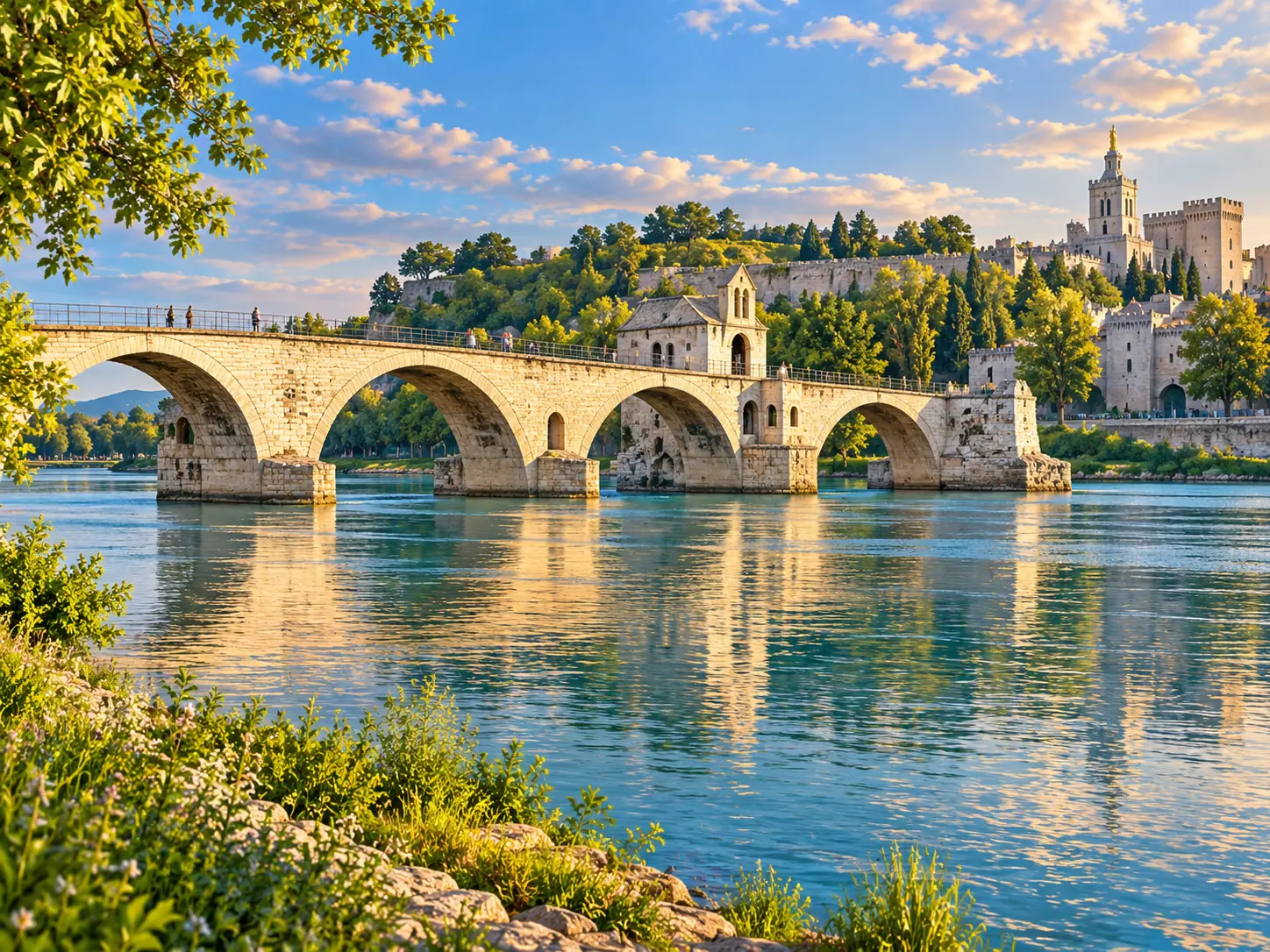
Avignon works well as a series of unhurried walks: from the Papal Palace to the Rhône, from an art museum to the market…
View details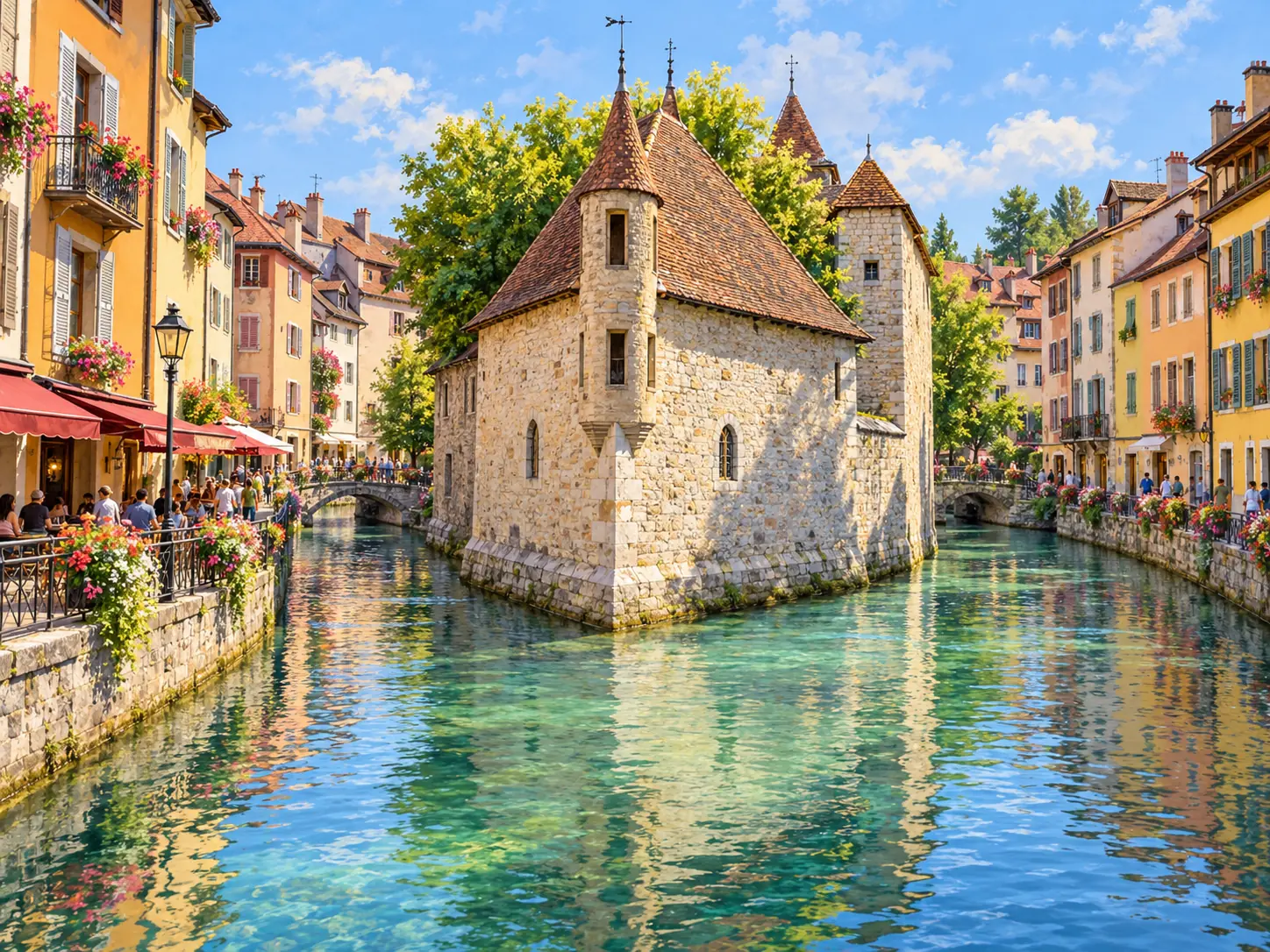
France
Annecy
Annecy combines an old-town walk with a separate day beside the lake. Canals and façades quickly capture attention, but…
View details
France
Bordeaux
We suggest getting to know Bordeaux through the Garonne and its contrasting neighbourhoods: the old squares of Saint-Pi…
View details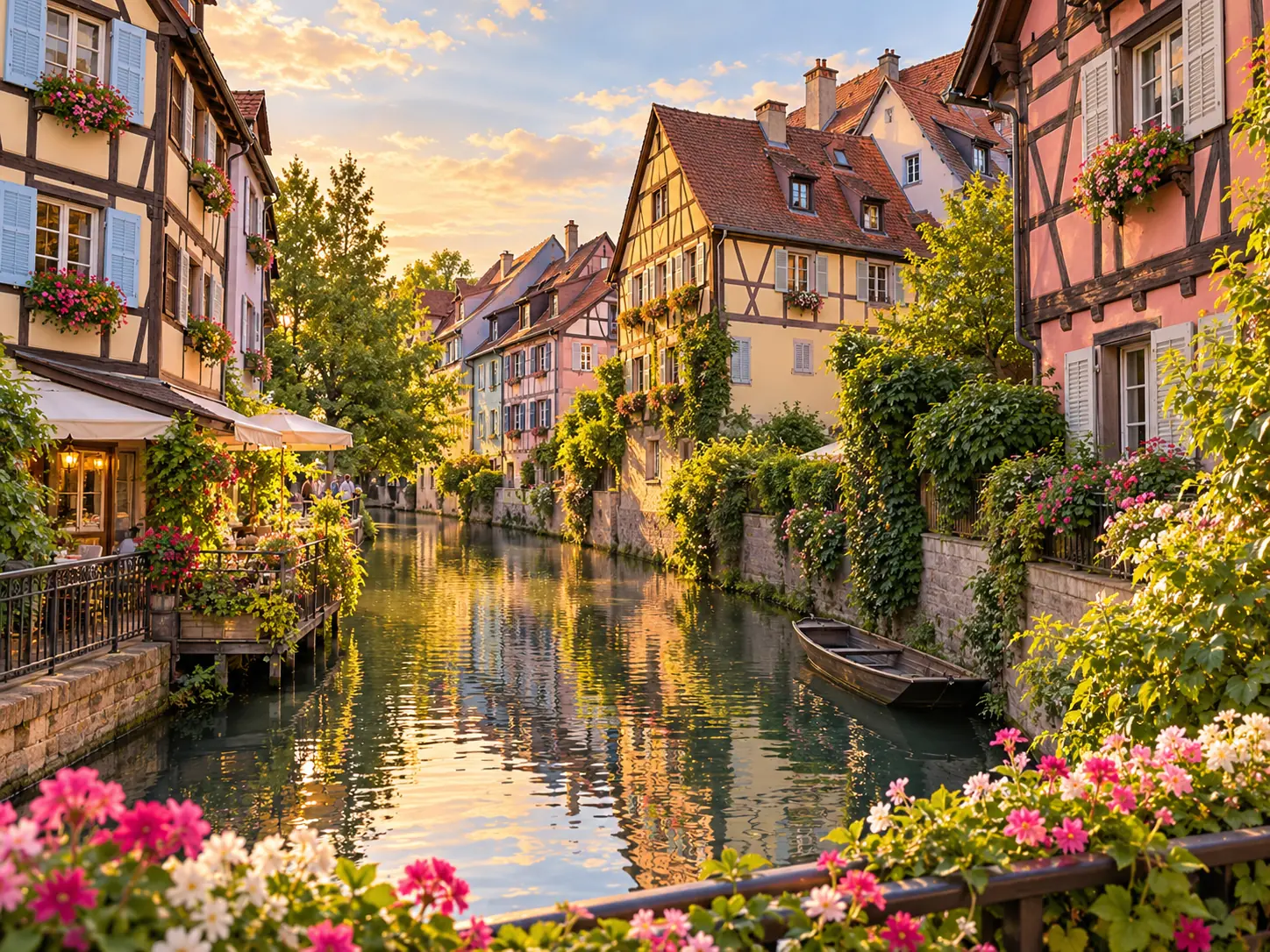
France
Colmar
Give Colmar two days: one for streets and water, the other for art. Half-timbered houses sit beside Renaissance trading…
View details