Destination
Colmar
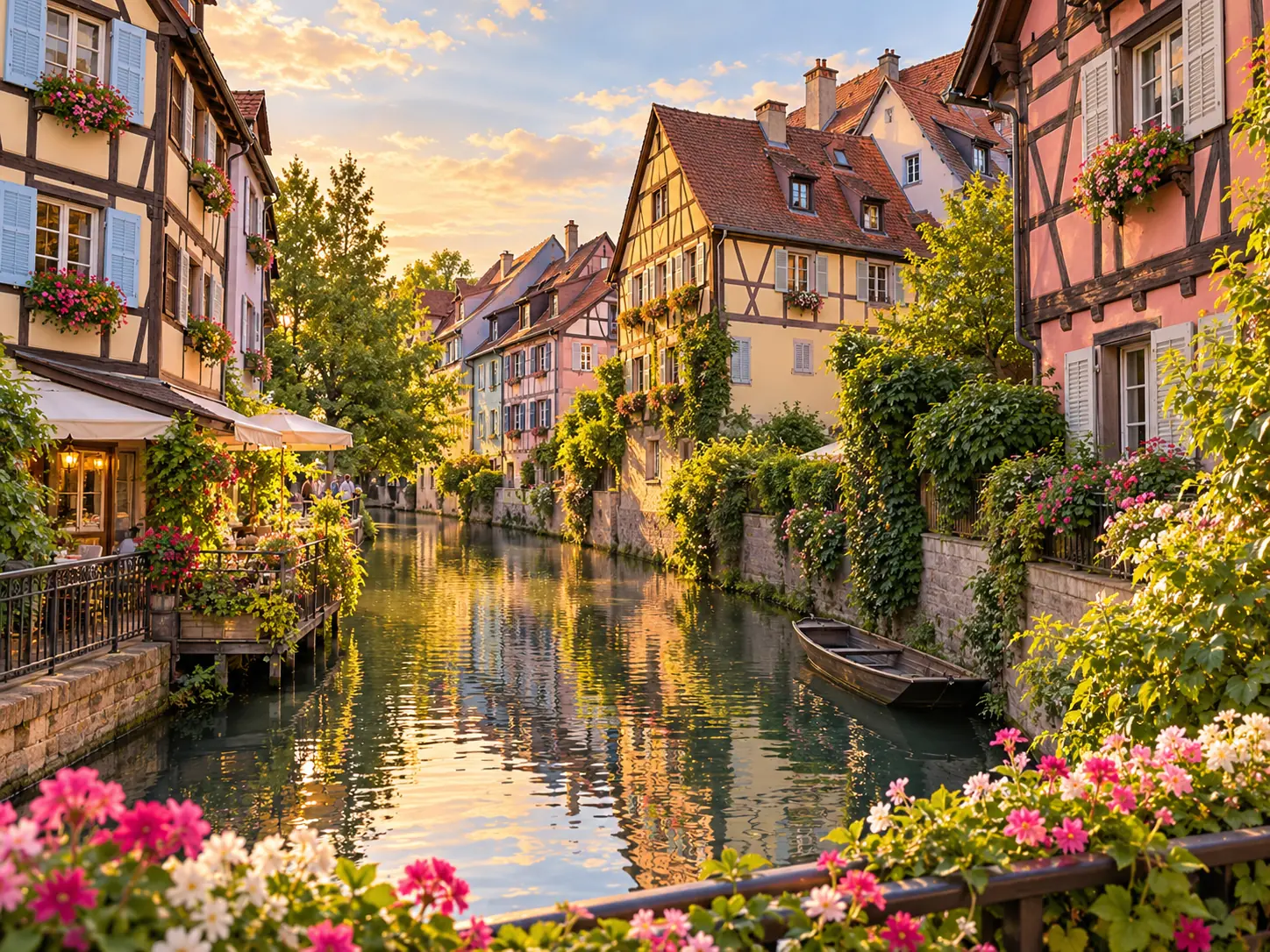
Give Colmar two days: one for streets and water, the other for art. Half-timbered houses sit beside Renaissance trading buildings, while Little Venice follows the River Lauch. Switching between the view down an entire street and the details of individual façades makes a rewarding way to explore. We suggest staying overnight so that you can return to the waterfront in the evening and leave a whole morning for a museum. Treat the wine villages as an additional excursion. Trying to insert them between two Colmar visits can turn a short stay into a sequence of transfers.
When to go
For extended walks, we would choose late spring or early autumn. In summer, alternate outdoor squares with a museum and a proper lunch break. Save the opening information for two collections in advance, giving yourself an easy alternative if rain changes the day.
Christmas markets create a different kind of visit. Their official website publishes attendance forecasts and mobility information. Compare dates before booking accommodation and allow extra travel time. If architecture is your priority, separate the market outing from the quieter part of your walking itinerary.
Things to see and do
Begin the first morning at the Pfister House and continue towards the Koïfhus, the former customs house. Look closely at the façades without assuming that every historic building offers interior visits. After lunch, walk towards the Fishmongers' Quay and Little Venice. A boat trip can be a separate activity; confirm its boarding point and operating arrangements for your date.
Start day two at the Musée Unterlinden. The Isenheim Altarpiece is its best-known work, but the collection also includes modern art, so leave time beyond the principal room. If another, smaller museum appeals, choose Bartholdi's birthplace, which introduces the creator of the Statue of Liberty. Take a substantial break between these collections rather than allowing their different artistic stories to blur together.
Practical tips
Choose your main museum first and check its calendar before arranging the other stops. The Bartholdi Museum has particular arrangements for groups: an organised tour and a family visit need different preparation.
Unterlinden publishes information about accessible rooms, lifts and visitor aids. If mobility is a concern, start with those details and the specific route from your stop. Around the canals, we recommend travelling lightly; a small bag makes it easier to pause on narrow paths and bridges without blocking other people.
Getting there and getting around
For rail travel, search for Colmar station and compare current SNCF services with and without changes. Keep the return ticket and train details available before starting your walk. An airport transfer needs to be planned as a separate part of the journey.
The TRACE urban network serves the Gare interchange; Théâtre is another important interchange near the centre. Use the operator's current map, since routes can change. If arriving by car, arrange parking and luggage unloading with your accommodation before setting off on foot.
Where to stay
For a first stay, we would look within the old centre or around its edge, keeping the return from an evening walk straightforward. An early departure makes accommodation nearer the station worth comparing.
In a historic house, ask about stairs, a lift and the direction in which the windows face. A picturesque square does not guarantee a quiet room. During the Christmas markets, establish whether you can drive to the door and where the actual key handover will take place.
What to try
Start with one Alsatian dish: choucroute or baeckeoffe, a casserole combining meat, potatoes and wine. A slice of kougelhopf suits a coffee break, while cheese enthusiasts can try Munster.
Spread your tastes across a meal and several small stops. Ask about the actual recipe, since meats, alcohol and additions vary. When buying cheese for the journey home, consider suitable packaging and the time it will spend without refrigeration before choosing how much to take.
Similar destinations
France
Avignon
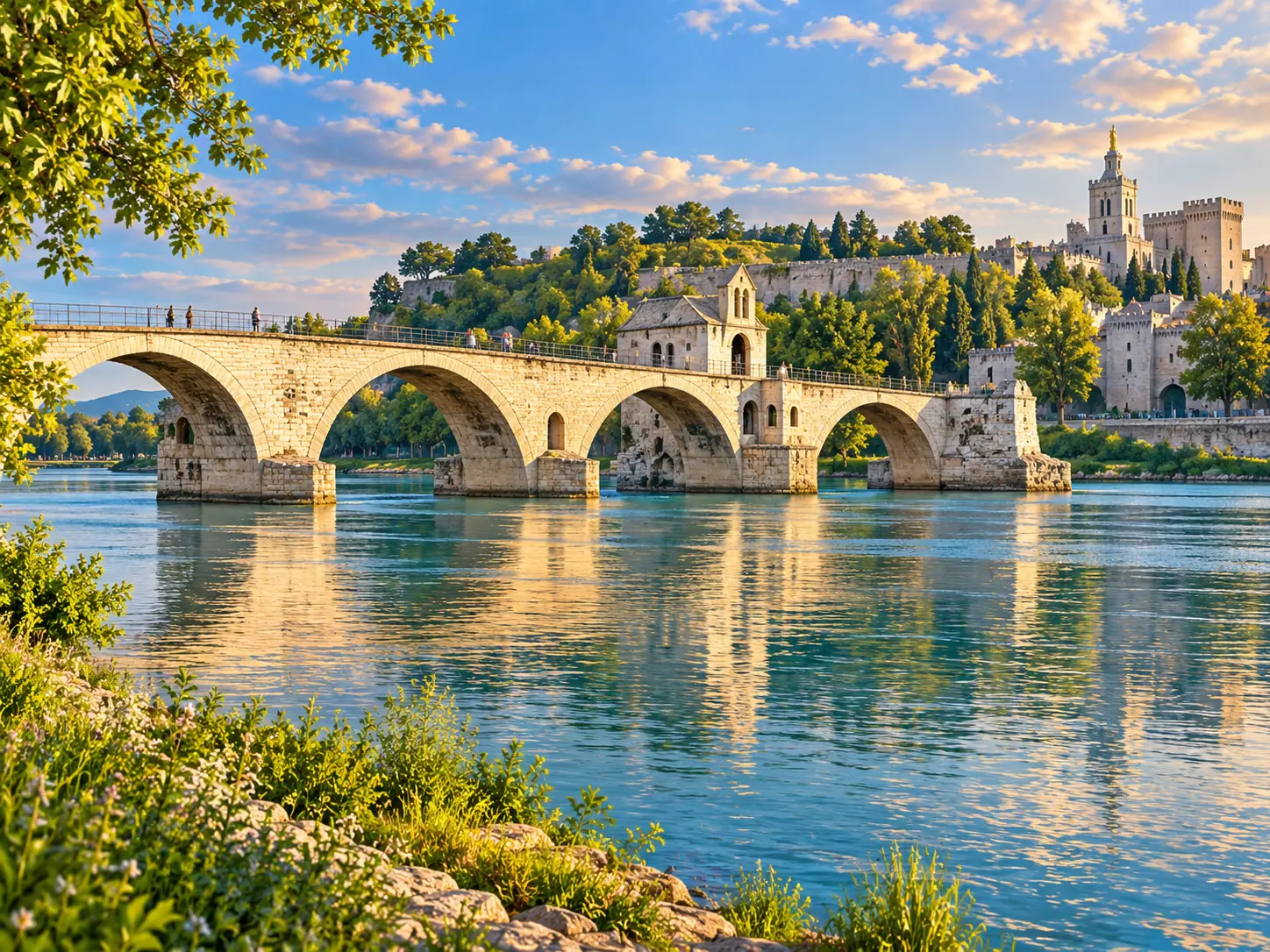
Avignon works well as a series of unhurried walks: from the Papal Palace to the Rhône, from an art museum to the market…
View details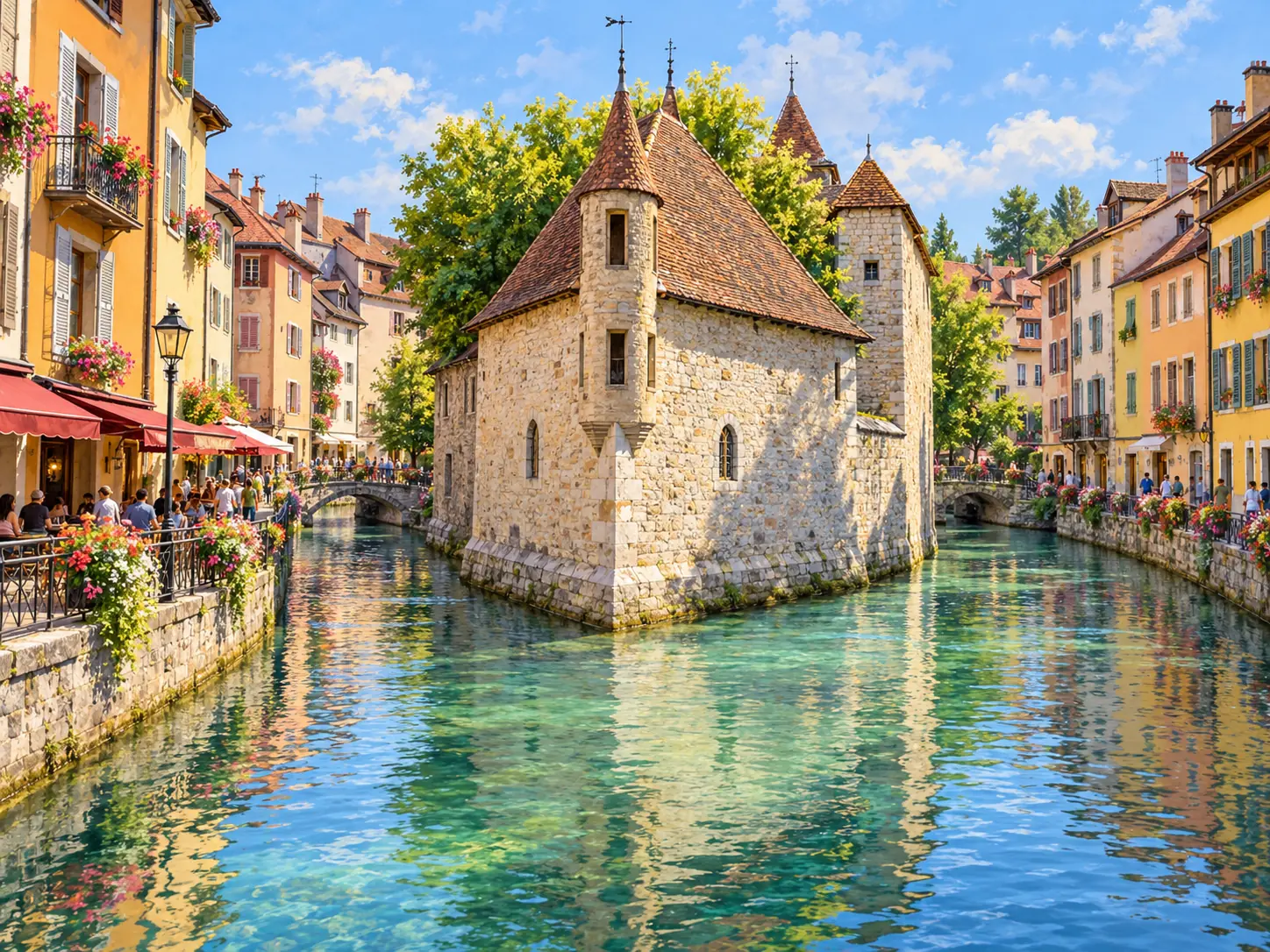
France
Annecy
Annecy combines an old-town walk with a separate day beside the lake. Canals and façades quickly capture attention, but…
View details
France
Bordeaux
We suggest getting to know Bordeaux through the Garonne and its contrasting neighbourhoods: the old squares of Saint-Pi…
View details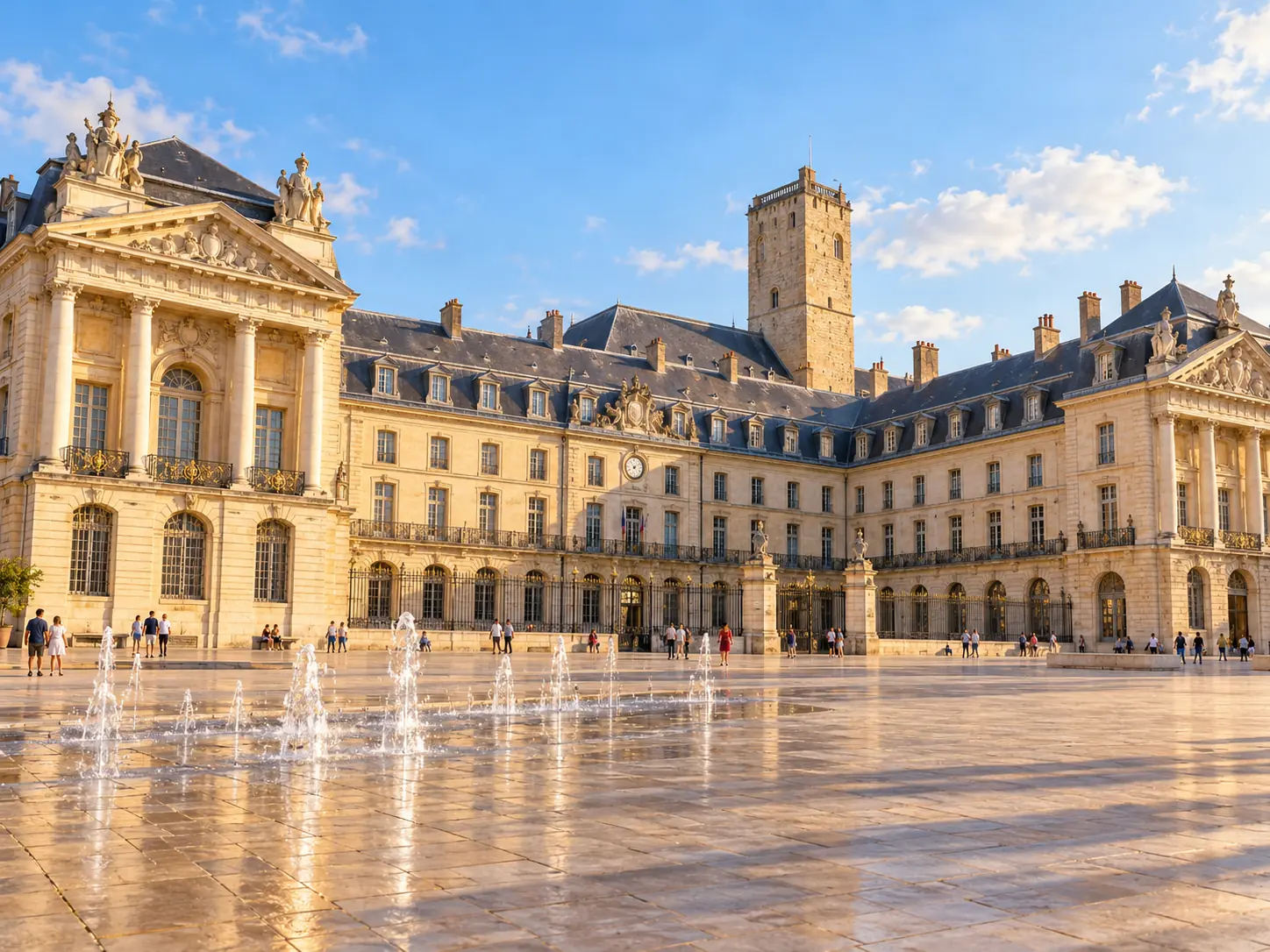
France
Dijon
Dijon suits two days in which architecture and food receive equal attention. The Palace of the Dukes of Burgundy connec…
View details