Destination
Chania
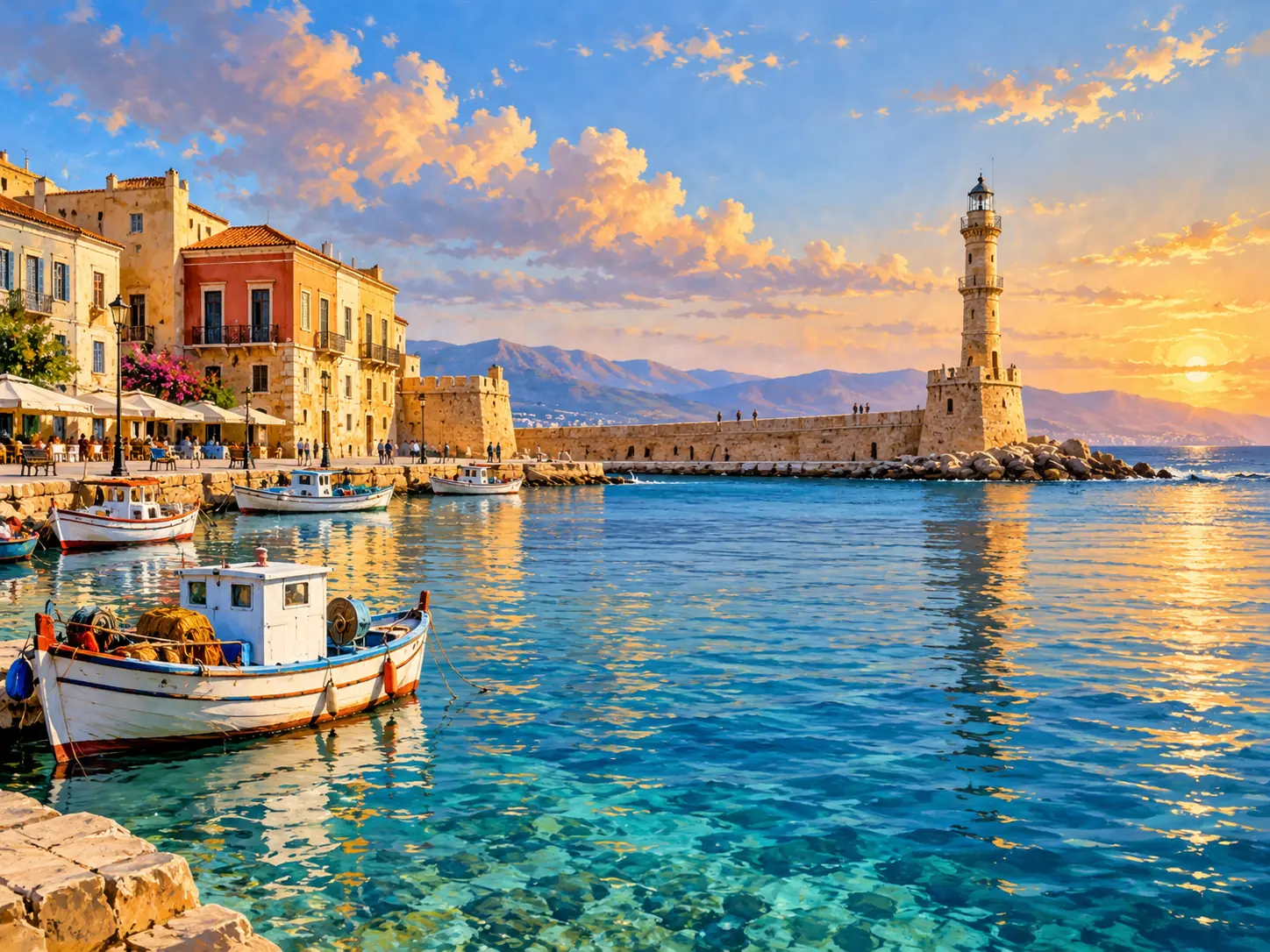
Chania works best when you alternate its waterfront with its neighbourhoods. At the Venetian harbour, your attention moves between water and architecture; in Splantzia, the square, church and everyday activity set the pace. We suggest two full days, with a third for the Maritime Museum and beach. This leaves time beside the sea between visits. Give the eastern part of the visit to Chalepa and Tabakaria. Archaeological collections and former tanneries reveal different aspects of Chania's past.
When to go
For walking, we would choose May, June or September; swimming always depends on weather and sea conditions. In summer, start early and leave a substantial afternoon break. If museums are your priority, choose a season independently of beach plans.
The Archaeological Museum closes on Tuesdays, while the Maritime Museum closes on Sundays and public holidays. The ministry publishes shorter winter hours for the archaeological collection. Arrange these two visits before booking additional excursions, especially if your stay includes only one available weekday.
Things to see and do
Begin day one at Firkas Fortress and follow the harbour past Yali Tzami mosque towards the Venetian shipyards. Use the lighthouse as a landmark for the panorama; walk onto the breakwater only when conditions are suitable. After lunch, head to Splantzia Square, officially named 1821 Square. St Nicholas Church retains a minaret, making the changing use of buildings particularly visible.
On day two, visit the Archaeological Museum on Skra Street in Chalepa. Its displays cover the region from early human traces through late antiquity. Do not look for the collection at its former central address. After the museum and lunch, explore Tabakaria, the former tanning district beside the sea near Chalepa. View buildings from public streets: an abandoned appearance does not grant permission to enter.
Start day three at the Maritime Museum, then continue to Nea Chora, the beach west of the centre, reached along the coastal route. Leave time for swimming if conditions allow, or lunch and a walk back otherwise. With two days, replace an earlier activity with either the museum or beach rather than adding both.
Practical tips
At the review date, 2 November 2026, the municipality still describes preparations to reopen the covered municipal market. Confirm actual trading before making it a fixed lunch destination. Street markets operate separately: their locations depend on the weekday, with seasonal changes in the current municipal plan.
The Archaeological Museum's own page displays long daytime hours, while the ministry lists a separate winter schedule. Confirm hours for your date. The Maritime Museum and the shipbuilding exhibition at Moro have separate arrangements; the latter has a seasonal operating period. Respect barriers on the breakwater and use the harbour promenade when waves make the exposed route unsuitable.
Getting there and getting around
KTEL buses connect Chania Airport with the city. The airport operator places the stop opposite Departures on the eastern side of the terminal. Choose the bus company's timetable that applies on your arrival date. Match it to your flight and allow for baggage collection.
Ferries from Piraeus arrive at Souda, requiring a separate transfer to accommodation in Chania. Check the arrival point with the operator and check-in arrangements with your host. A rental car is unnecessary for our city plan: first compare walking, urban buses and the individual journey to the museum before deciding to hire one.
Where to stay
In the old town, choose an address with convenient access to the harbour or Splantzia, allowing a break between walking and dinner. Nea Chora suits a stay combining town and beach. Chalepa fits the eastern museum day, but include the daily journey to the harbour when comparing locations.
Ask where a taxi can stop and how far you must carry luggage. Above a restaurant, window position and evening sound matter; a handsome courtyard photograph says little about soundproofing. For an early flight, settle departure arrangements and the transfer to the bus or terminal in advance.
What to try
Start with bougatsa, a pastry made with thin dough that can have cheese or cream fillings. Ask which version is offered before expecting a sweet or savoury breakfast. Kalitsounia are small pastries; the local cheese version combines soft cheeses with mint.
We suggest sharing several pieces and saving a full meal for after sightseeing. For fruit and other groceries, check the street market's day and address on the municipal page. Fillings, dough and additions vary: if you have dietary requirements, ask about the whole pastry rather than relying on its name.
Similar destinations

Greece
Athens
Athens rewards leaving time between ancient sites for an ordinary neighbourhood, a proper lunch and an evening walk. Ou…
View details
Greece
Heraklion
Heraklion deserves a stay of its own on Crete. It connects the Minoan heritage of Knossos with museum collections, a Ve…
View details
Greece
Corfu
Corfu means both the island and its principal town, so check the precise address when booking. For a first short visit,…
View details
Greece
Nafplio
Give Nafplio two full days: one for the old town and waterfront, another for the fortress and beach. Its defences occup…
View details