Destination
Ravenna
Ravenna rewards close attention: a small room can deserve more time than a long street. Early Christian mosaics shape its identity, but a route becomes more rewarding when there is room between monuments for a square, a workshop and a relaxed lunch. We suggest two days, with central monuments and Dante's places on the first, followed by Classe and further encounters with mosaic on the second. For a day trip, choose a few nearby sites. Trying to see everything can obscure the differences between a small mausoleum, a baptistery and the larger space of a basilica.
When to go
For a combination of interiors and walking, we would choose spring or autumn. On a hot day, schedule the longer walk in the morning and separate indoor visits with a proper break. In wet weather, begin with a group of monuments close to one another.
Build the day around available admission slots rather than an ideal sequence of photographs. Leave at least one open interval for spending longer somewhere or moving a visit. Check actual opening hours and any limits on your visit when booking tickets.
Things to see and do
Start day one with San Vitale and the neighbouring Mausoleum of Galla Placidia. Compare the size of the spaces and the way their mosaics are experienced; in the mausoleum, pay particular attention to the star-covered vault. After a break, walk to Piazza del Popolo and on to Dante's Tomb in the Zone of Silence. Slow down here and separate the city's literary story from the morning's architectural visits.
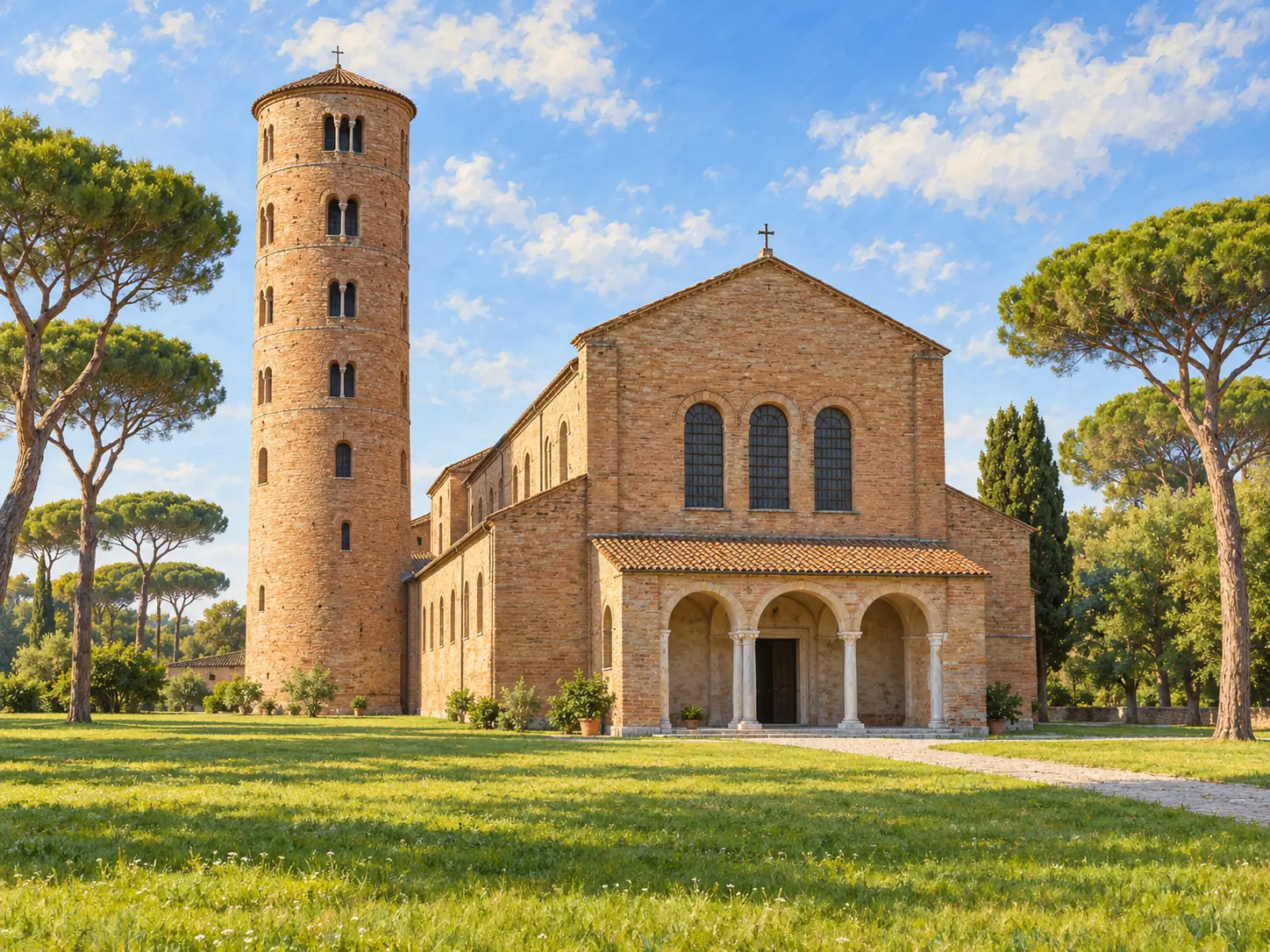
On day two, visit Sant’Apollinare Nuovo on Via di Roma. Its extended mosaic processions offer a different way of looking at images. Then plan a separate outing to Sant’Apollinare in Classe, south of central Ravenna. These are two different churches: similar names do not mean neighbouring entrances.
For a further chapter, choose contemporary mosaics at MAR or arrange a workshop visit in advance. With two short days, make this an alternative to Classe. We recommend deciding first whether your priority is the history of early monuments or the continued development of the technique, then trimming the itinerary accordingly.
Practical tips
The monuments use different ticket arrangements. Compare the exact set included with the names on your intended itinerary before buying. A combined ticket covering several central monuments is not a general pass to every attraction in the city. Pay particular attention to allocated admission times for smaller spaces.
Inside, let your eyes adjust to the lighting, then look at the composition as a whole before its details. Take a photograph after that brief observation. If access is a concern, check each entrance individually: an accessible visit at one monument does not establish the conditions throughout the route.
Getting there and getting around
You can continue from Bologna to Ravenna by train; the official tourism website directs travellers to Trenitalia for connections. From Bologna Airport, the first stage is reaching the station. Leave a sensible interval between the flight's arrival and the train's departure.
The central part of the itinerary can be linked on foot from Ravenna station. For Classe, check Start Romagna buses or a rail option, including the return journey. With a car, establish parking and the route to your accommodation before entering the centre. On departure day, choose a visit near wherever you leave your luggage.
Where to stay
For a trip focused on mosaics and Dante, we would choose the historic centre or its edge towards the station. Compare the actual distance to your first admission, luggage-storage arrangements and when the room will be available after arrival.
A seaside stay makes sense for a separate beach plan, but requires travel to the city monuments. On a cultural visit with one overnight stop, first decide where you want to spend both evenings. That is more useful than a broad promise of being “near Ravenna”.
What to try
Try cappelletti, small filled pasta shaped like little hats; local fillings and serving styles vary. For a shorter break, choose a piadina, perhaps with soft squacquerone cheese. A cheese filling does not guarantee that the accompanying broth or sauce is also meat-free.
We suggest alternating a small snack with an unhurried lunch rather than squeezing a meal between closely booked admissions. Ask about the seasonal dish of the day and its ingredients. This helps you choose an appropriate meal without a long list of compulsory tastings.
Similar destinations
Italy
Bergamo
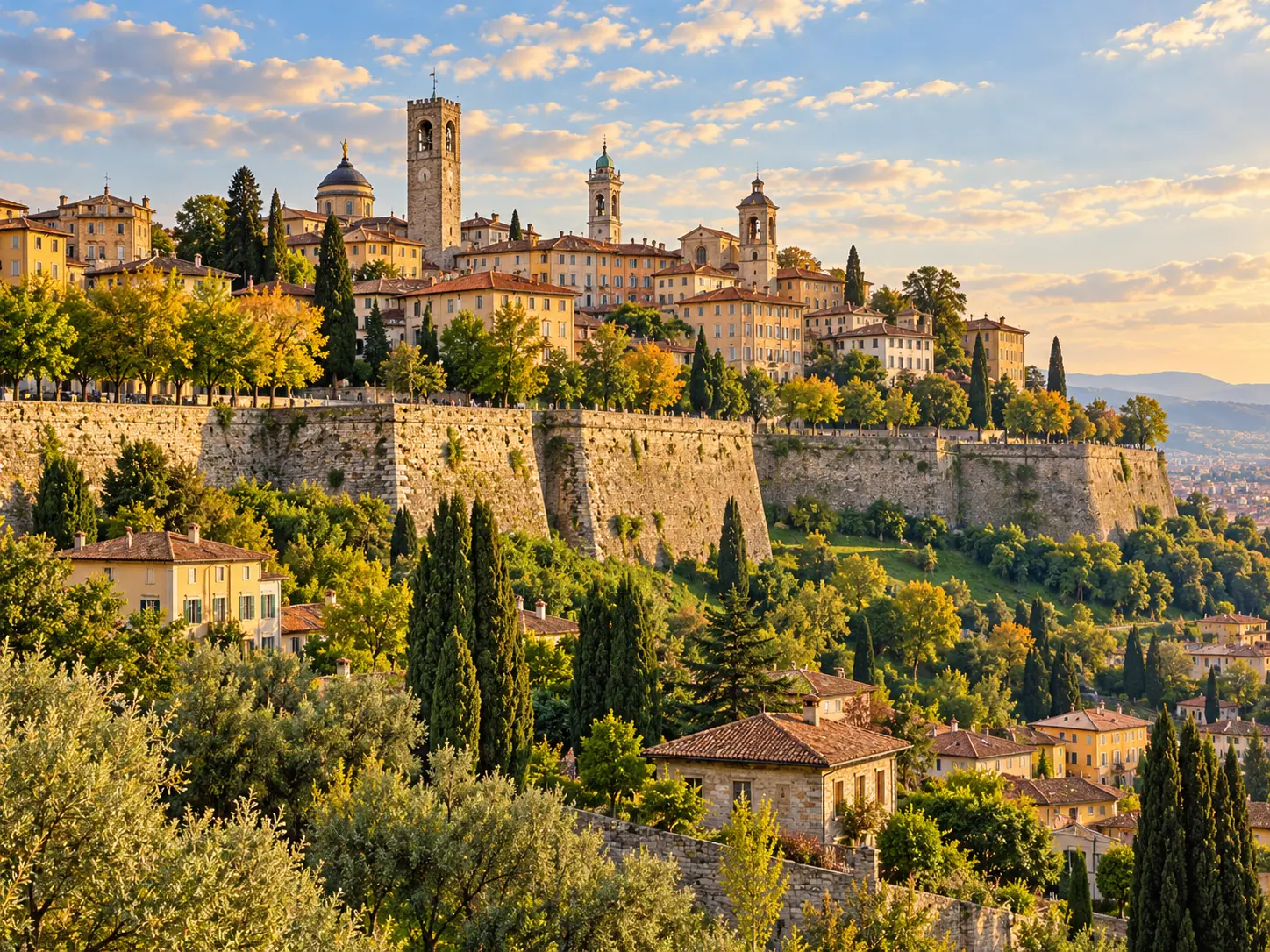
In Bergamo, divide your plans between the upper town, Città Alta, and the lower city from the outset. The climb between…
View details
Italy
Bologna
Bologna rewards a visit on foot, moving from Piazza Maggiore beneath porticoes to university streets, small squares and…
View details
Italy
Venice
Venice rewards changes of scale: from St Mark's Square to a small canal, from a museum gallery to the everyday lanes of…
View details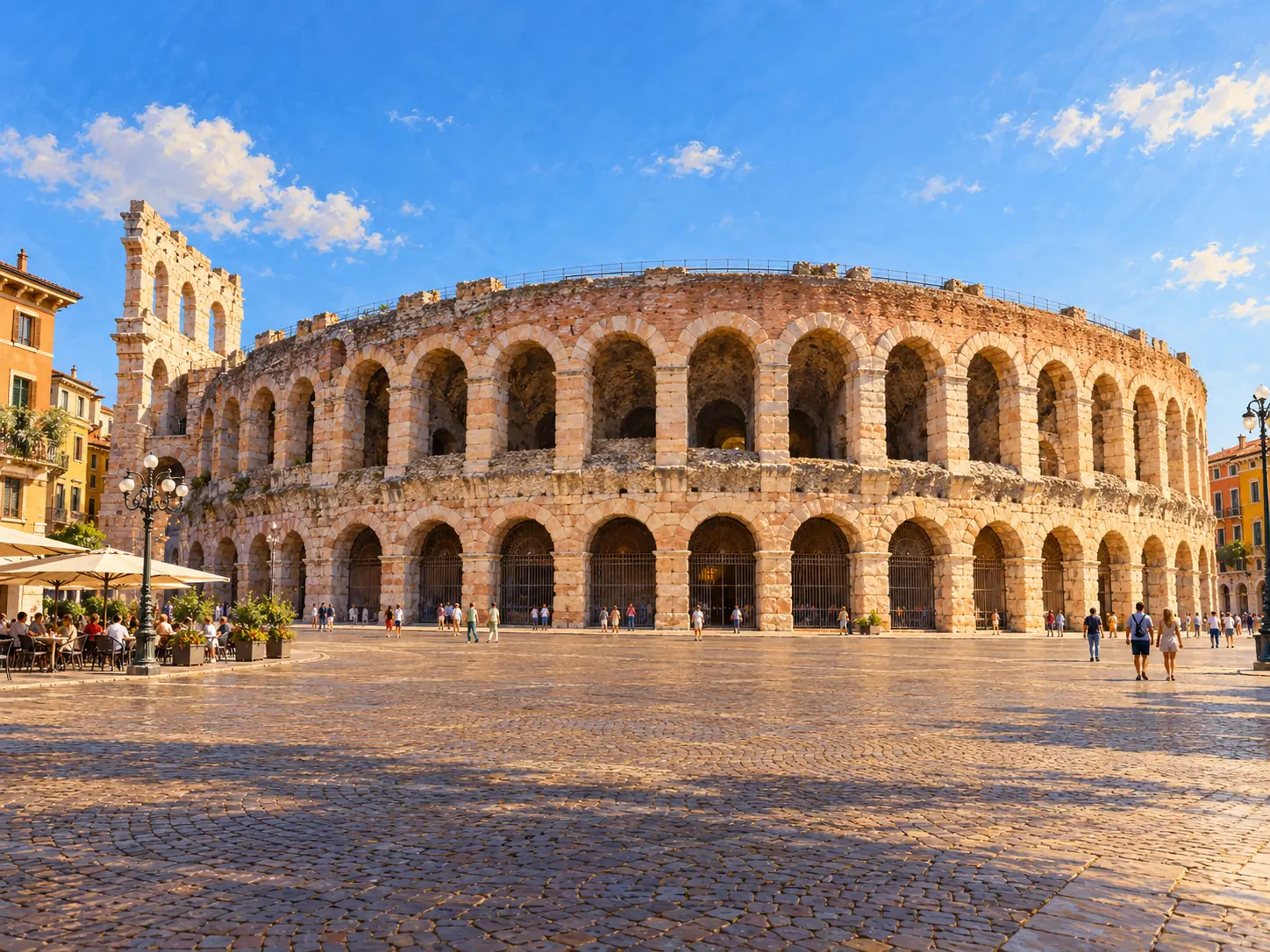
Italy
Verona
We suggest approaching Verona through its squares, museums and walks beside the Adige, with Romeo and Juliet forming ju…
View details