Destination
Krems an der Donau
Krems an der Donau brings together an old trading town, historic Stein and a museum district at the entrance to the Wachau. On a first visit, it helps to treat Krems and Stein as two successive parts of your route. The connection between them then becomes a walk to enjoy rather than an unexpected journey to the next entrance. We suggest two days: the streets of Krems and a selected museum block first, then Stein and the Danube waterfront. An extra day can be reserved for a separate Wachau outing. We would not fit every city museum, a long cycle ride and a neighbouring town into the same short stay.
When to go
For museums, the riverside and excursions, our preference would be spring through autumn. If apricots are a priority, first check the current events programme and seasonal products. Blossom, harvest and a festival are different reasons to visit.
Keep a museum version of the itinerary for a cool or rainy day. Place the riverside walk in a bright interval, and commit to a longer outing only after checking the return connection. Excursion boats and the Wachaubahn operate seasonally, so they should not be assumed to form part of every winter day.
Things to see and do
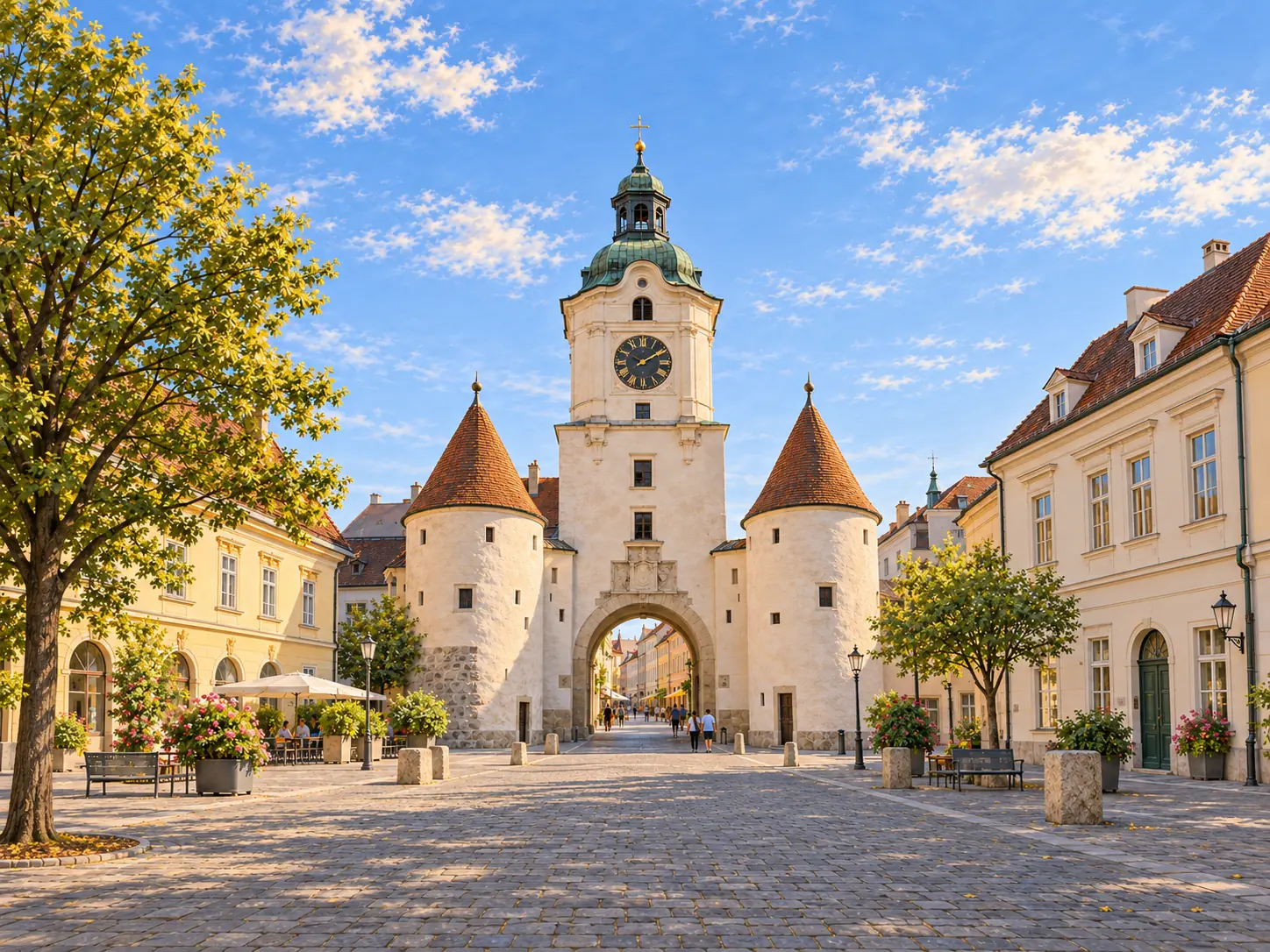
Begin day one at Steiner Tor, then follow Landstraße towards the older squares and Hoher Markt. We recommend a manageable loop rather than trying to explore every lane immediately; leave room for a coffee. For more local history, consider museumkrems in the former Dominican monastery on Körnermarkt.
In the afternoon, or the following morning, head to the Kunstmeile. The State Gallery of Lower Austria, Kunsthalle and Caricature Museum stand close together here. They are separate institutions with their own exhibitions. Choose one or two for their subject matter rather than simply because a combined ticket is available.
Give Stein a distinct block of time. Compare its streets and facades with the part of Krems already explored, then continue towards the Danube. With a third day, add an outing into the Wachau with a return plan agreed beforehand. The two historic districts alone can make a satisfying short visit; a distant excursion is not a requirement.
Practical tips
Mark three separate points for planning: Krems station, the old centre and Museumsplatz near Stein. This shows where a bus would help and where the walk forms part of the experience. With limited time, we would choose the exhibition and visiting window first, then build the rest of the day around them.
Check the opening hours, entrance access and luggage arrangements of each museum. For a journey into the valley, establish the last convenient return service. Arrange to leave your bags on arrival: the old town's paved lanes are more enjoyable without a suitcase.
Getting there and getting around
Krems has rail connections with Vienna and St. Pölten. Check the departure station in Vienna and any changes carefully; the official tourism website specifically mentions Franz-Josefs-Bahnhof. You can walk from Krems station towards the old centre.
A city bus also serves Stein and the museum district. Consult the city or VOR for the appropriate stop and current timetable. Plan onward Wachau travel separately from a transfer within town. If driving, establish parking before entering the old streets and ask your accommodation about the route from there with luggage.
Where to stay
For a first visit by train, we would compare accommodation between the old centre of Krems and the station. This helps link arrival, sightseeing and departure. Look around Stein and Museumsplatz if exhibitions and walks beside the Danube are the main reason for the trip.
Check the distance to the particular museum or landing stage rather than a generic city-centre marker. Ask about stairs, a lift, luggage storage and evening connections. For a cycling trip, arrange a suitable place for the bicycle before arrival as well.
What to try
A local food reference is the Wachau apricot, known in Austrian German as the Marille. Look for apricot dumplings and other dishes using the fruit, checking what is available in season. Before buying something to take home, try a small serving and then choose a packaged product.
Wine is an important theme in Krems and the Wachau, but a tasting deserves time of its own. We would combine an unhurried lunch with one carefully chosen regional product. Ask about ingredients and portion sizes so that a main course and dessert do not accidentally become two full meals in succession.
Similar destinations
Austria
Bregenz
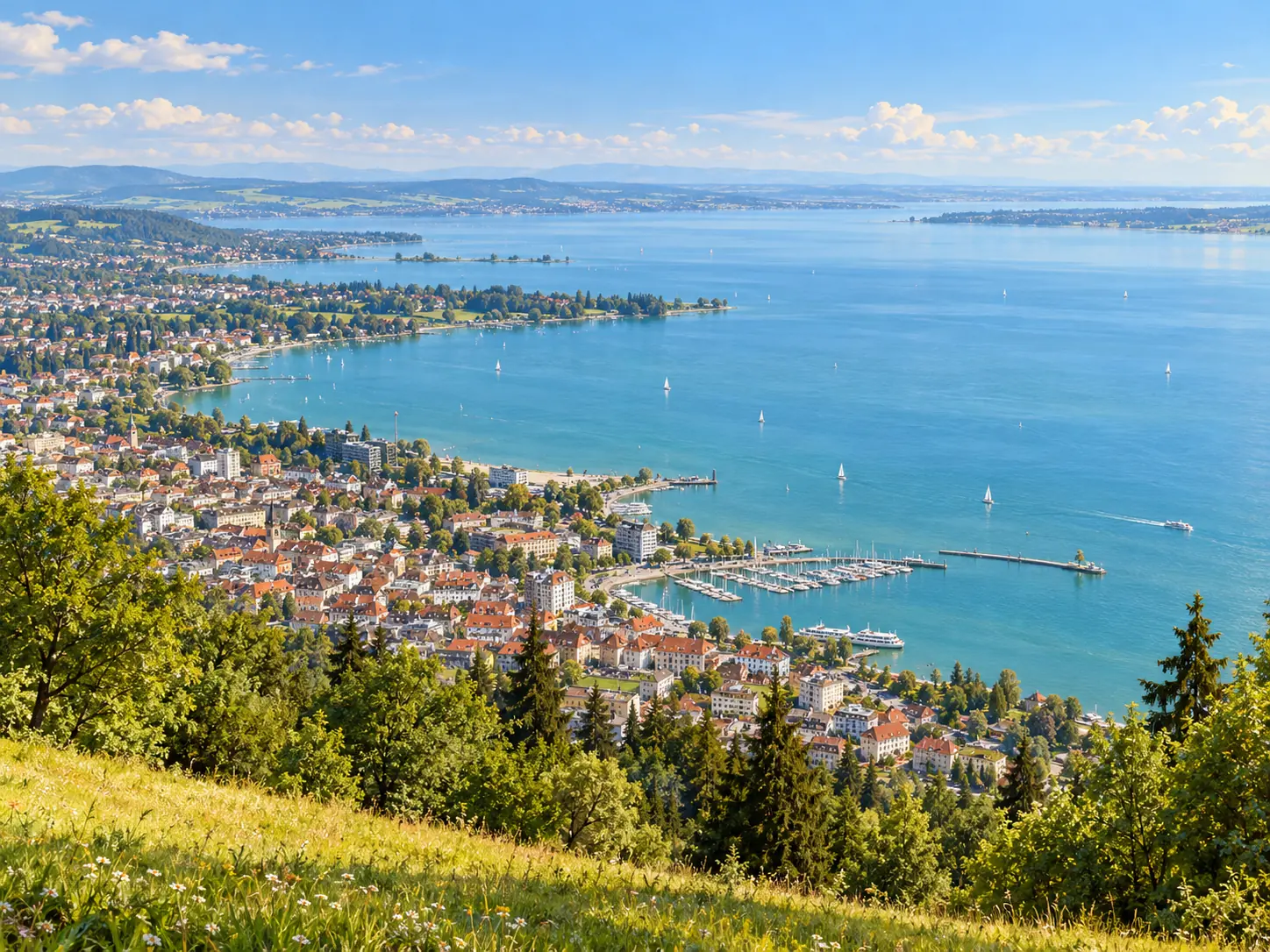
Bregenz combines walks beside Lake Constance, contemporary art and an excursion up the Pfänder. We suggest two days at …
View details
Austria
Vienna
Vienna, Austria's capital, brings together palaces and grand streets with museums, neighbourhood walks and coffeehouse …
View details
Austria
Graz
Graz suits a trip with time to look closely: to step into a courtyard, climb to a viewpoint and stop at a market. For a…
View details
Austria
Salzburg
Give Salzburg two or three days if possible: start with old-town lanes and squares, then add the fortress and walks alo…
View details